


Movement, teamwork and sportsmanship are part of student growth.
Sports and games help students build fitness, coordination, resilience, discipline and the ability to work as a team. Approved schedules, facilities and verified achievements can be published as information becomes available.
Regular activity
Age-appropriate physical activity supports health and concentration.
Team games
Students learn cooperation, communication and respect for rules.
Competitions
Participation encourages confidence, practice and healthy challenge.
Sportsmanship
Winning and losing are both opportunities to learn discipline and respect.
What sport develops
Sports and games support wellbeing, concentration, resilience and confidence.
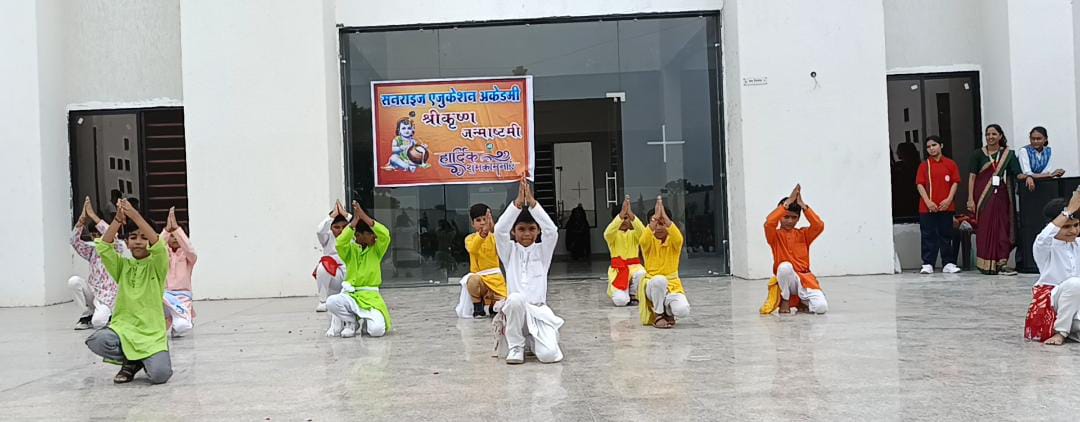
Physical activity is part of student development
Facilities, schedules and achievements should be published only as verified by the school.
Sport builds fitness, discipline and teamwork
Physical activity is an important part of a balanced school experience. Sports and games help students develop coordination, stamina, resilience, teamwork and the habit of healthy competition.
Regular participation
Age-appropriate games, drills and physical activity can support fitness and help students learn how to follow rules, practise consistently and work as part of a team.
Skill and sportsmanship
Students are encouraged to value effort, fair play, respect for opponents and improvement through practice. Winning matters less than learning how to perform responsibly.
Inter-house and school events
House activities and school competitions can create friendly competition and give more students a chance to participate.
Health and safety
Sports activities should be supervised with attention to hydration, safe equipment, age-appropriate intensity and first-aid readiness.
Celebrating participation
Verified sports achievements can be published on the Achievements page and supported with photographs in the Gallery.